Find Muldrow Roofer for Roof Replacement
Find Muldrow Roofer for Roof Replacement
Blog Article
Trusted Roof Specialist Offerings for Durable and Dependable Roof Services
A trusted roofing contractor plays an essential part in ensuring the longevity and dependability of a home's roof. Property owners must evaluate various elements when selecting a roofing professional. From learning about roofing materials to evaluating contractors' qualifications, each component contributes to a effective job. Yet, many homeowners remain uncertain about where to start. Identifying the correct strategy can greatly impact both appearance and financial security. What steps should one follow to navigate this complex procedure?
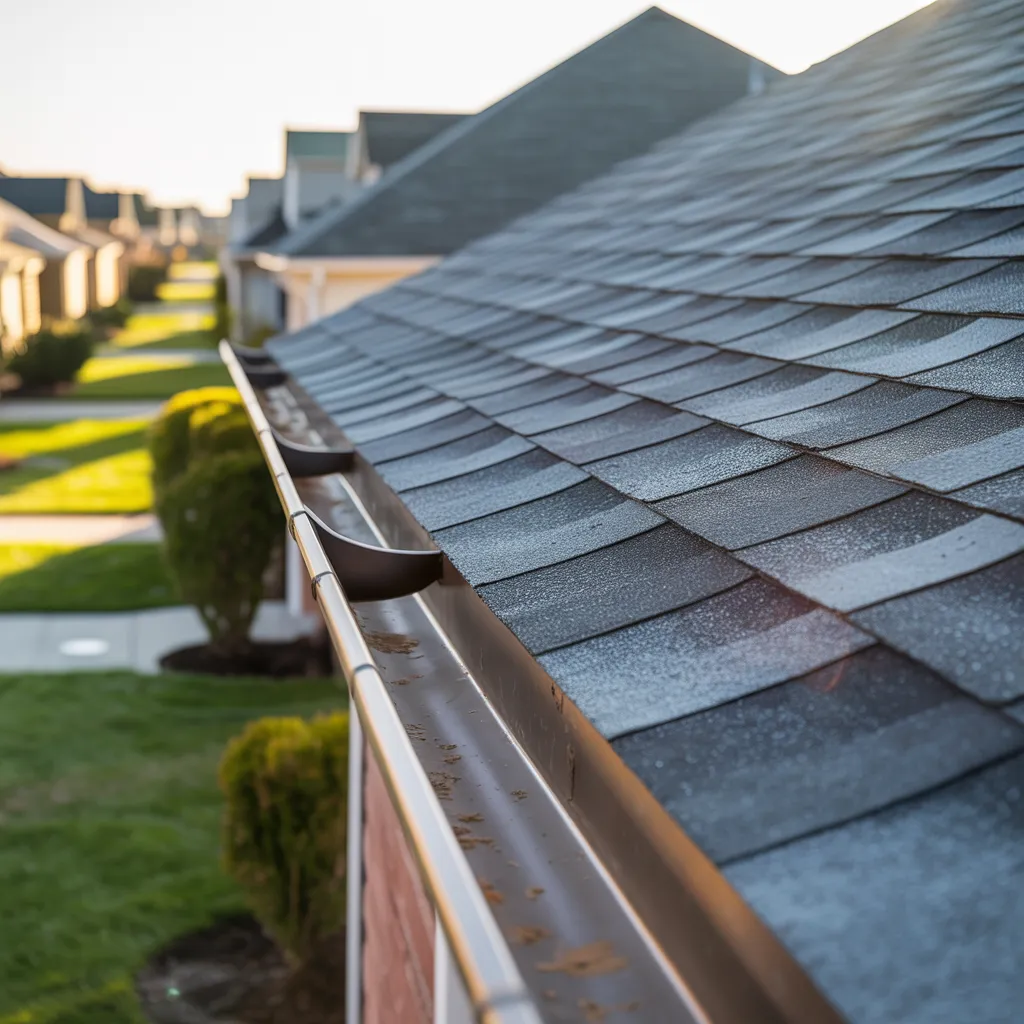
What to Seek out in a Dependable Roofer
When choosing a trusted roofer, what key characteristics should one focus on? First, experience plays a significant role; an established roofer with years of work demonstrates reliability and skill. It's important to confirm their credentials and coverage, as this protects homeowners from potential risks. Moreover, a reputable roofer should offer guarantees on both materials and workmanship, demonstrating assurance in their services.
One more noteworthy aspect is communication. A trusted roofing specialist should be responsive and clear, providing detailed estimates and project schedules. Reviews and client references from earlier customers can offer insights into their trustworthiness and quality of work. Additionally, understanding local building codes and regulations is necessary, as compliance guarantees well-being and legality. Finally, a strong dedication to using quality products indicates a roofer's pledge to permanent achievements. By centering on these significant qualities, homeowners can make informed decisions when appointing a roofing professional.
What Roofing Choices Are Best for You?
Picking the ideal roofing solution can be an intimidating endeavor, as numerous options and styles meet varying requirements and desires. Homeowners should take into account aspects including climate, budget, and visual appeal when picking a roof. Shingles made of asphalt are preferred because of their low cost and straightforward installation, making them ideal for numerous home properties. Metal roofing, recognized for its strength and thermal efficiency, appeals to people desiring longevity.
For a more traditional appearance, wood shakes or tiles provide natural beauty but may require more upkeep. Slate and clay tiles provide exceptional longevity and are perfect for upscale homes, although they can be more expensive.
In the end, the optimal roofing selection varies with specific circumstances, including local building codes and personal preferences. Meeting with a dependable roofer can enable homeowners work through these selections, guaranteeing they opt for a roofing option that satisfies their individual needs while increasing the overall value of their property.
The Worth of Superior Roofing Materials
Identifying the right roof alternative is only the beginning; the merit of roofing materials plays a notable role in the overall output and longevity of a roof. High-quality materials, such as asphalt shingles, metal, or slate, provide optimized durability and resistance to environmental factors. They can withstand extreme weather conditions, curtailing the prevalence of repairs and replacements.
Investing in excellent materials can lead to improved energy efficiency, as they often include enhanced insulation properties. This not only adds to comfort within the home but can also lower energy bills over time. Additionally, superior materials typically come with lengthier warranties, offering homeowners assurance regarding their investment. Choosing quality roofing materials ultimately promises that a roof remains functional and aesthetically pleasing for years, preserving the property's value. Therefore, understanding the significance of material selection is vital for anyone considering a roofing project.
Evaluating Your Roofing Contractor's Credentials
A thorough inspection of a roofing contractor's credentials is necessary for ensuring a successful roofing project. Homeowners should begin by confirming licenses and insurance to secure themselves from liability in case of accidents. Assessing for industry certifications can also indicate a contractor's focus to quality and sustained education in roofing techniques and materials.
In turn, assessing former projects and customer testimonials provides insight into the contractor's work quality and reliability. It is suggested to seek out references and to follow up with previous clients about their satisfaction. Moreover, understanding the contractor's warranty guidelines can shed light on their confidence in their work and the materials utilized.
In the end, taking into account the contractor's experience in the particular kind of roofing required can also guide homeowners in forming an informed decision. By thoroughly evaluating these qualifications, homeowners can pick a dependable contractor and guarantee a resilient roofing solution.
Methods to Budget for Your Roof installation
Budgeting for a roofing project demands careful consideration and evaluation of various factors that influence overall costs. Homeowners should start by examining the type of roofing materials desired, as prices can vary greatly between asphalt shingles, metal roofs, and tiles. Labor costs also play a vital role; obtaining multiple quotes from licensed contractors can help guarantee affordable pricing.
Additionally, it is vital to factor in possible unexpected expenses, such as structural damage repair or the permit requirements. A reserve allocation of approximately 10-20% of the complete budget is suggested to address these unforeseen costs. Residents should also evaluate the timing of their project, as seasonal variations can influence worker availability and costs of materials. By carefully estimating these elements, homeowners can create a achievable budget that provides for both necessary expenses and any additional features they may wish to include in their roof work.
Regular inspections Are crucial
Regular reviews are crucial in extending the longevity of a new roof. analysis Conducting these inspections at least twice a year helps identify potential issues before they intensify. Experienced technicians can assess the roof's condition, looking for signs of wear, tear, or damage caused by environmental factors. Additionally, checking gutters and downspouts provides proper drainage, which is critical for preventing water accumulation. Homeowners should also consider seasonal inspections, especially after severe weather events. By emphasizing regular inspections, property owners can preserve their roofs properly, making sure they remain durable and reliable over time. This proactive approach not only enhances the roof's longevity but also preserves the overall integrity of the home.
Opportune Servicing Mitigate Damage
Following regular inspections, it is vital to handle necessary repairs without delay to maintain a new roof's integrity. Roofs are subject to wear from different environmental factors, and even slight issues can grow into significant damage if neglected. Timely repairs can prevent leaks, mold growth, and structural deterioration, ultimately extending the roof's lifespan. Homeowners should make sure of fixing loose shingles, damaged flashing, or clogged gutters as soon as they notice them. Also, seasonal weather changes may exacerbate existing problems, making timely fixes even more important. By ensuring repairs are completed swiftly, homeowners not only protect their investment but also improve the overall safety and comfort of their homes. Routine maintenance and immediate action are the keys to a effective roofing solution.
Frequently Asked Questions
What Duration Does a Standard Roofing Project Need to Complete?
A routine roof installation usually requires one to three weeks to accomplish. Factors on the duration involve the project magnitude, weather, and the complexity of the roofing system being installed or repaired.
What Coverage Do Roofing Work Offer?
Multiple warranties are provided for roofing services, such as material warranties, workmanship warranties, and extended coverage options. These warranties typically range from five to twenty years, based on the materials and contractor agreements involved in the project.
Can I continue living in My Home During Roof Installation?
Homeowners are able to often remain in their homes during roof installation, but it is based on the project's scale and sound levels. Contractors routinely recommend on safety and comfort, suggesting temporary moving away if necessary.
What Part Do Weather Conditions Play in Roofing Work?
Factors greatly impact roofing work; rain can cause delays and safety hazards, while extreme heat may impact materials. Wind can hinder installation, demanding careful consideration to ensure quality and safety during the process.
What Might I Do if I Detect Moisture Damage After Placement?
Upon finding leaks after installation, the homeowner should immediately reach out to the roofing contractor for an evaluation. Documenting the issue with photos and notes can help fix the problem efficiently and guarantee proper repairs.
Report this page